
[powerpress]By Dr. Karen Becker, DVM

There’s been a myth floating around for years about what it means if your dog’s or cat’s nose is warm instead of cool, or dry instead of moist.

A warm dry nose by itself doesn’t mean your pet is sick or has a fever.

In fact, your dog or cat’s nose can be moist and cool one moment, and dry and warm the next, and it doesn’t mean that he’s sick.

It’s all perfectly normal.

Now if your pet has other symptoms, like for instance loss of appetite, vomiting or diarrhea, lethargy, or other obvious signs of illness, then a dry, warm nose goes along with those other symptoms of systemic illness.

The time for a second look is if your pet’s nose is changing texture.

For example, if it becomes flaky or crusty or you notice a change in the color.

If the nose is not only dry but the skin is also cracking, or if it’s getting lighter in color … if you can see scabs, open sores, non-healing cracks or fissures, or other types of skin irritation … those are all things that you’ll want your veterinarian to take a look at.

Your Pet’s Nose Can Change Color for a Variety of Reasons

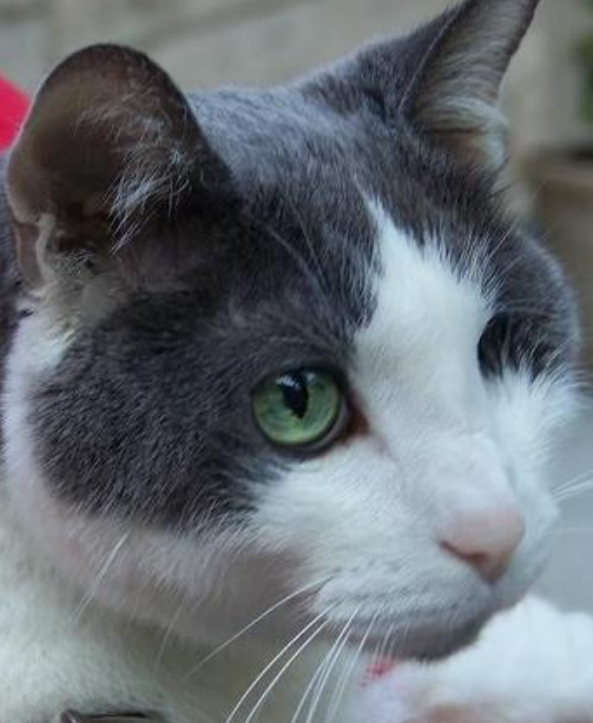
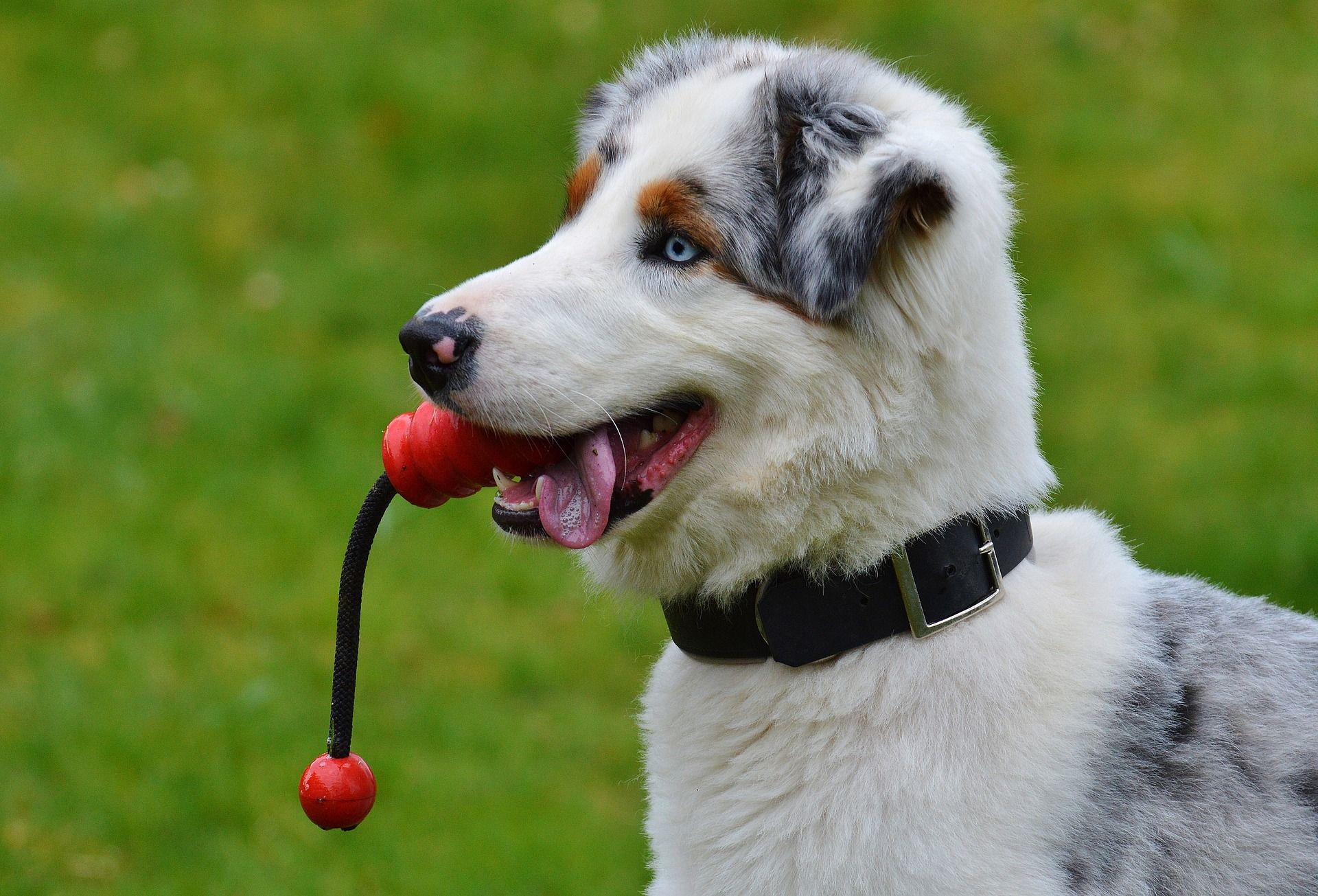
The color of your pet’s nose can be black, pink (a pink nose is also called a Dudley nose), liver colored, or the same color as your dog’s or cat’s fur. Nose color is determined by genetics.

Some noses fade during the colder months and return to their normal color during the summer months. This is a condition known as ‘snow nose’ or ‘winter nose.’

Certain breeds have noses that go from black to brown or pink as the dog ages. This is thought to be a result of the breakdown of tyrosinase, which is an enzyme that produces pigment. Since tyrosinase is also temperature-sensitive and works more efficiently in warmer weather, this could also explain the ‘winter nose’ color some dogs get when the weather gets cold.

If you happen to have an orange or calico kitty, you might notice that black spots appear on the nose and lips as your pet gets older. This is a totally normal change veterinarians call lentigo simplex, and it’s no cause for concern.

  Lentigo Simplex

Sometimes the nose will go lighter when the pet is sick and return to a darker color once health is restored. If a pet gets a scrape or other abrasion to the nose, often the nose skin will turn pink as the healing process is occurring, and then the darker natural color will appear as the scab wears away.

Contact dermatitis can also cause your dog or cat to lose pigment on the nose. Some pets have sensitivity to plastic food and water bowls, and continued exposure can cause the nose to lighten in color. Sometimes the lips will also become inflamed.

I recommend you use stainless steel food and water bowls, because aside from the potential for plastic hypersensitivities, plastics wear down over time, and the material in plastic bowls can leach into your pet’s food and water.

The immune disease called vitiligo can also turn a dog’s nose pink, but there are usually other signs of this disorder occurring at the same time, like your dog can have white hairs or entire patches of white hair all over her body.

With vitiligo, the immune system attacks the pigment-containing cells of the body that are responsible for color. Certain breeds seem more likely to develop vitiligo than others including Dobermans, German shepherds, Rottweilers, and Dachshunds.

Caring for Your Pet’s Pink Nose

Whether your dog’s nose is naturally pink or has turned pink either temporarily or permanently, you’ll need to protect him from sunburn during the summer. You can apply a safe sunscreen when your dog will be out in the sun. It is important that you cover up pink noses during hot summer months.

There is a technique and actually a permanent solution to a pink nose some pet owners have opted for, but I don’t recommend it.

Some veterinarians will suggest that you have your dog’s nose tattooed black. I think this should be done only if your dog lives outdoors full time (which I absolutely don’t recommend) and can’t avoid contact with direct sunlight.

Otherwise, this is an unnecessary procedure and must be done under anesthesia.

Signs of a Nose Problem

If you notice a nasal discharge, swelling, an unpleasant smell from your dog’s nose or the area around it, or if your pet seems to be having trouble breathing, it’s time to call the vet.

These signs can point to a foreign object or a foreign body, an infection, or even a nasal tumor. If your pet’s nose has a discharge from just one nostril, there could be a foreign body stuck up in there.

Other signs of an irritant, a foreign object, or a tumor in the nose include sneezing, pawing at the nose, or nosebleeds. Nasal polyps or tumors will often coincide with a bloody discharge or mucus from the nose.

You might also notice your pet’s breathing is noisier than normal, and you can sometimes see a bulge or a lump on one side of the face or nose.

Diseases Affecting the Nose

Pemphigus complex is a group of very serious autoimmune skin diseases that affects both dogs and cats. There are two main types: pemphigus foliaceus and pemphigus erythematosus. Both start with patches of red skin on the face, including the nose and ears. The foliaceus variety often spreads to other parts of the body, including the feet, central body, core, and paws.

Pemphigus erythematosus involves only the face, head, and footpads. The red patches rapidly turn into blisters, and then pustules, which can become crusty and cause the hair to stick to them. They look like oozing, crusty sores. Areas of skin depigmentation are also seen with both of these disease processes.

There is a third type of pemphigus called pemphigus vulgaris, which is rare. Blisters and ulcers can form on the lips, nostrils, and eyelids with this particular disorder and it can also involve the nail beds, which can cause the nails to fall out.

Discoid lupus erythematosus is another autoimmune disease that can occur in dogs, but doesn’t happen in cats. It’s more common in certain breeds including Collies, German shepherds, Huskies, Shetland sheepdogs, and Brittany spaniels. It is thought to be a milder version of the systemic form of lupus, and limits itself only to the face. First the nose loses pigmentation, and then often it develops cracks and sores, non-healing fissures, as well as some crusting.

  Lupus

Another type of nose disorder is called zinc-responsive dermatosis. It’s caused by a zinc deficiency and is prevalent in Huskies, Doberman pinschers, Great Danes, and Alaskan malamutes.

In zinc-responsive dermatosis, the dog’s hair thins and a scaly, crusty rash can develop on the face that is most obvious on the nose, around the eyes, even in the ears, and around the mouth.

Crusting also appears on the elbows and hocks in some dogs. These areas can become callused and crack easily.

It’s important to make sure your dog has a confirmed case of zinc-responsive dermatosis before you discuss supplementing zinc with your vet. Zinc toxicosis is actually more prevalent than zinc-responsive dermatosis due to pet owners over-supplementing with zinc, incorrectly assuming their dog has a deficiency.

Other nutritional deficiencies can also cause changes in nose tissue, especially omega-3 fatty acid deficiency, which can cause the nose tissue to become thickened and dry.

Omega-3 fatty acids are sensitive to heat and light, and their potency decreases over time when food is stored. It’s no wonder that most pets consuming dry, kibbled food end up with essential fatty acid deficiencies.

Nasal solar dermatitis, also known as Collie nose, is a condition seen most often in sunny areas of the U.S. It primarily affects herding breeds including Collies, Aussies, and Shelties. With exposure to sunlight, the skin between the nose and muzzle first becomes quite irritated looking, the hair falls out, then the skin begins to ooze and crust over.

If the condition is allowed to continue with repeated sun exposure, the skin actually breaks down. And in serious cases, the nose can become just a big, giant, non-healing wound that’s incredibly painful. Certainly, skin cancer has been known to develop out of advanced cases of this particular disease.

There are other systemic conditions which can affect the health of your dog’s nose. The most common is hypothyroidism, which leads to a thickening of the nose and a leathery appearance.

Keeping an Eye on Your Pet’s Nose

Checking your dog or cat’s nose should be a normal part of your at-home wellness exam. Getting acquainted with the look and shape of your pet’s nose when it’s healthy is important, because then you’ll be able to determine when a problem pops up and it becomes unhealthy.

You need to look for any unusual signs like nasal discharge, especially and certainly if it goes from clear to mucus-y or bloody. You also need to stay alert for excessive dryness, crusting, or loss of pigmentation.

I also recommend you watch the nose as your pet breathes. Dogs and cats are nose breathers when at rest. If the nostrils flare more than normal, your pet could be having a breathing problem.

If you notice anything unusual about your pet’s nose, especially if you are seeing other signs of illness, I certainly recommend you make an appointment with your veterinarian.

As some of you know, topical ointments applied to the nose are often totally useless, because they become oral supplements in a matter of seconds to minutes in most dogs and cats.

The only supplement I recommend applying to your pet’s nose while you’re waiting for your vet appointment is natural vitamin E. You can actually poke a vitamin E capsule to open it, squeeze out the contents, and apply it to your pet’s nose until you can be seen by your vet.

Other creams and salves can be fairly irritating to your pet’s nose, so I don’t recommend you apply other products unless you have specifically been told to do so by your veterinarian.

Dr. Becker is the resident proactive and integrative wellness veterinarian of HealthyPets.Mercola.com. You can learn holistic ways of preventing illness in your pets by subscribing to MercolaHealthyPets.com, an online resource for animal lovers. For more pet care tips, subscribe for FREE to Mercola Healthy Pet Newsletter.


From Val:  Did you know that more people grieve their animal’s death harder and for a longer period of time than they do for their human family or friends?   Many of my clients work with me to help prepare their animals and themselves for pending transition, to find peace, completion and closure afterward, and to reconnect in the afterlife.

My dear friend Stacey Canfield, photographer to the Stars and founder of Soul Sitters, shared this remarkable story and I wanted to share it with you.  I know you’ll find inspiration, hope and peace from it too.

Remember:  “When someone leaves your life, it’s because they’ve taught you everything they can, and it’s time for them to go home now.” – anonymous

By: Nancy Denen from SoulSitters.com

If you have ever lived closely with a pet, you have probably experienced how intuitive they are. We think we know them, to the point of anthropomorphizing; however, just when we think we’ve figured them out, the pet will do something beyond what humans think possible.

Twelve years ago my husband and I adopted an abandoned cat from the Carlsbad Animal Shelter. We named her Moorea and when my Dad was in a rehab facility, I brought Moorea to visit him. I was amazed at how many residents in the facility were drawn like magnets to her. This prompted me to become a certified in pet-therapy and team with Moorea through our local Love on a Leash chapter.

Moorea and I have been volunteering with San Diego Love on a Leash and The Elizabeth Hospice for seven years. Each visit has been unique and worthwhile, but when Moorea visits a hospice patient, the blessings are tenfold. Let me share a few examples with you.

Our very first pet-visit with a dying patient was in a hospital setting. This elderly woman’s family had just that day placed their mother on hospice services. That is a difficult choice for family members. The patient and her adult children had always had cats and requested a cat-therapy visit. When Moorea and I got in the room, I could sense the tension and sadness of the situation, as well as the deep love.

Seeing Moorea, each person in the room broke into smiles and laughter to see a cat in a hospital room. I placed Moorea on the mother’s bed. Moorea crept up to the woman’s side and then snuggled between her right arm and side, facing the door of the room. It was almost a protective position and that is where Moorea stayed for almost 3 hours while the adult children met with the hospice social worker. During that time, hospital staff came in with instruments to check the patients’ vital signs. This meant draping tubing and wires across Moorea’s back, but Moorea never budged.

Then the cleaning staff came in to take out the plastic trash bag and replace it with a new one and they swept the floor. Again, Moorea never budged. Later the adult children came back to their mother’s bedside. They took many photos of Moorea snuggling with their Mom. I suggested they gather around the head of the bed so I could take a group photo with their mother. They demanded Moorea be in the picture so I retook the photo, not as close up because I had to get the cat-therapist in the shot. Moorea and I reluctantly left the bedside and I asked if they would like another visit the next morning, so we agreed on the time. The following morning, the door to our patient’s room was closed and a nurse was just coming out of the room. Our patient had died just a short time before we arrived. What a blessing to have shared my cat with this woman and her family on her last day on earth. And the photos I took of the family with Moorea were the first of many final-portraits I’ve taken of a loved one, smiling and cuddling a cat.

A month later, our volunteer coordinator from The Elizabeth Hospice called to ask if we minded traveling further than we usually do to visit a 92-year old man whose dying wish was to pet a cat. How could I say no?! So the next day Moorea and I headed up to a senior facility where this gentleman had lived with his wife until she needed more care.

He was living alone and had in-home nursing care round-the-clock. When we arrived, he was very thin and weak, lying in a hospital bed. He was almost too weak to speak, but nodded his head “yes” when I asked if he would like Moorea in his bed.

A tiny, frail smile appeared on his gaunt face and his arm lifted a few inches so he could reach his hand to Moorea’s back and pet her soft calico fur. I sat back and just let Moorea and the gentleman bond, as she snuggled against his chest, warming his heart. As it turns out, with excellent care from hospice and a board-and-care facility where he later moved, Moorea and the man were able to spend many such hours together. Over time, he gained the strength to sit up in a wheel chair, sit on the couch to watch golf tournaments, and have Moorea drape across his lap. In fact, Moorea and I were present to celebrate his 93rd birthday with him and his housemates and staff a year later!

Four months after his birthday, he passed away suddenly, too quickly for me to drive up in time to bring Moorea to his bedside, but I will never forget this stoic gentleman of few words, who always had lots of baby talk to whisper into his cat-therapist’s ear.

It is difficult to select only a few examples of the miraculous connection Moorea makes with people, but please indulge me as I share one more.

As Moorea and I age, carrying Moorea in my arms becomes more difficult, so I purchased a dark blue pet-stroller and push it down hospital halls. Even if a person doesn’t care for cats or isn’t up to a visit that day, Moorea will always earn a big smile because she looks so darn funny in that stroller!

One day, after visiting a hospice patient who couldn’t speak but always put her hand over Moorea’s warm back, I was pushing Moorea in her stroller out of this room when an Elizabeth Hospice social worker was coming out of the room directly across the hall. She and I had never met and she didn’t expect to see a feline in a stroller. After she composed herself and stopped laughing, she said, “I have a patient in this room that is in and out of consciousness. I wonder if she likes cats? Would you mind stopping in for a minute?”

As I picked up Moorea from her stroller and put her near the patient, I asked, “Would you like a visit from my cat?” Immediately the woman opened her eyes, raised her arms, and made a sound. I placed Moorea gently on top of the covers on her chest and I heard the social worker exclaim, “I’ve never seen so much response from her! This is amazing!” We stayed for a short visit and returned the next week for a second visit, though the woman barely reacted that time but did know a cat was sharing her bed. The third week we returned, the patient had passed away.

There are books about other pet-therapists. They are more common than you may think. Have you had an experience with an animal Soul Sitter? We’d love to read your story.


Join Us On iTunes Podcast!


Personal Note from Val Heart About Divorce, Separation and Breakup

From Val:  I am SO excited to bring Steven May and Davit T Pisarra’s important work to you.  Everyone goes through relationship hell at some point – it’s important to be prepared and to safeguard your furrkids as well as your children. 

I’ve been divorced too, but fortunately I knew how to communicate with our cats so they had a voice in the process and they stayed safe, sane and as happy as possible.  Do you have a plan that helps ensure their needs are met, that they don’t get sick or neglected (or hurt), and that they have a voice in what happens to them?  After listening to our chat, you will be better prepared on all accounts.  Enjoy!

<><><><><>

Pet expert Steven May and family law attorney and newspaper columnist David T. Pisarra are the co-authors of the first book that explores a dilemma facing an increasing number of pet parents each year.

In the case of a divorce, separation or break-up…who gets the dog?

“What About Wally – How To Co-Parent A Pet With Your Ex” is part How-To and part How-Not-To guide into the realities of this potentially traumatic issue. Practical legal advice and thoughtful dog behavior guidance sit alongside heartwarming real life stories and personal anecdotes from the authors own experiences in co-parenting a pet with their ex’s.

Our relationships with our pets have changed and they’re now more a part of the family than ever before. We know the pain that many children go through when their parents are divorcing and it’s similar for our pets. By taking the steps to make sure the transition is as smooth as possible, both the pet and the pet parents benefit.

You won’t want to miss the answers to these questions:

* How are dogs viewed by the courts in a divorce?
* How to I protect myself if I want custody or joint custody of the dog?
* Are their similarities in divorce court between pet parents and the parents of children?
* Why is co-parenting good for the dog?
* Are dogs affected by their owners divorce?
* What are some steps to make the transition as smooth as possible for the dog?

To pick up a copy of “What About Wally?” go to www.whataboutwally.com. For great pet parent tips join 94,000 other pet owners and visit Steven May’s Facebook page “The Daily Growl.” www.facebook.com/epetexpert

Click here to download…

Click here to get your copy:


By David T. Pisarra, Esq. and Steven May

In our book, WHAT ABOUT WALLY? How to Co-Parent A Pet With Your Ex, we discuss all the topics that people who are going to be sharing the love of a dog need to know. Frequently we are asked the three main things that someone should consider when developing a parenting plan for a pet, and they are Licensing, Equal Parenting, and Attitude of the Parents.

Licensing

Domestic animals such as dogs and cats are generally viewed by the courts in America as property. Most pet owners have a much deeper and loving relationship with their pets than their furniture, and while the court may view pets as no more valuable than a big screen TV, most pet owners would disagree. This love of an animal is why the responsible pet owner needs to make sure that they are properly registered as the owner/caretaker of their beloved pet. Whether that registration is with the local Animal Control by way of a pet license, which usually costs under $20 a year, or with the local animal rescue society, the fact that a person has taken affirmative step to assert their relationship with a pet is a crucial piece of protection for the animal and for the pet parent.


Equal Parenting

When couples break up, but wish to continue the relationship with the pet if not the ex, they need to remember that the boundaries and routines they have established with their pet need to continue being enforced. This means that each parent will continue to treat the pet with the same love and not engage in “over-loving” the pet. If the treats suddenly become more frequent, or the dog that was not allowed on the couch is suddenly allowed to be up on the furniture at one house but not the other, it is going to cause problems. This type of sabotage of the agreed upon bounds will only lead to resentment, and eventually the co-parenting will fail and one parent will decide that it is too much trouble and just stop sharing.

Attitude of the Parents

Remembering that even though you may not like the other person as a spouse, there was something about them you did like, and that they still love Wally is an important element in making a co-parenting plan work for everyone’s benefit. The parties need to remember that they may disagree about a love life, but they do agree in wanting the best for Wally, and that should inform their attitude towards their ex. By maintaining a cooperative attitude on issues such as food choice, leashes, and workout routines, they can each enjoy Wally and increase the love in their life.

Sharing a pet is a wonderful learning experience in cooperation, consideration and negotiation. Pets are loved by humans because they have so much to teach us of value, and this new area of relationships, is one more place that pets can teach us new and helpful skills. The book WHAT ABOUT WALLY? How to Co-Parent a Pet With Your Ex is a self-help guide to the latest skill your pet can teach you. Available on Amazon.Com and BarnesandNoble.com.

Please listen in to our interview to learn more tips about successfully co-parenting a pet.

David T. Pisarra, Esq. heads the Santa Monica, CA family law firm of Pisarra & Grist and is a weekly columnist for the Santa Monica Daily Press. He has written three books on divorce and is the proud co-parent of 8-year-old, long-haired Dachshund named Dudley.

Pet expert Steven May has served as a consultant to the pet industry for 35 years. A frequent expert source to the media, Steven heads the popular online destination The Daily Growl where he shares daily tips and advice with his nearly 100,000 followers.  www.facebook.com/ePetExpert


I just had a great podcast interview with Dr Bill Miller, the spokesman for ACVO (American College of Veterinary Ophthalmologists).  He and over 200 other vision specialist veterinarians are offering free eye exams for all service animals in the US, Canada and Puerto Rico.

The registration period ends April 30th so, if you have a wonderful therapy animal, or know of any service animals, be sure to tell them so they can sign up.

Having gone through 6 eye surgeries in recent years myself, this is a topic near and dear to my own heart.

Dr Bill made me laugh, and cry, with his wonderful stories about service dogs and the people who love and depend on them for help.  He also shared symptoms to be aware of with your own animals.  Be sure to listen to the interview, okay?  It could save a life as well as an eye(s).

I remember one therapy horse I worked with years ago who was behaving oddly when people were on his right side. They couldn’t figure it out.

When I spoke with him he told me he couldn’t see anything on that side of his body.  The vision in his right eye had suddenly gone ‘dark’.   Sadly, his people hadn’t known when it happened, so he didn’t receive the proper treatment quickly enough to save his vision.

Communicating with him helped us determine what he could see, and together we were able to find ways to help him feel more secure and comfortable.

When my dog, Einstein, was just a little fella, I occasionally wondered about his vision too.  He ran into things constantly, and was extra cautious of going into dark areas.

As he grew up, we had numerous conversations about his vision.  It turned out that he was a little near sighted like his Momma (me), and did occasionally experience visual distortions, along with a headache at times.

Fortunately, he is fine now.

Vision, both subtle and physical, is a very precious thing.  If you suspect a problem, be sure to take action.

Talking with your pet can make a huge difference, and opens the channel so they can tell you when they have a problem, if they hurt or are experiencing a loss of vision.

Seeking appropriate vet care in a timely way can help save their life, as well as their vision.

Much love to you and your furrkids,

Val

Chief Seattle:  “Man does not weave this web of life.  He is merely a strand of it. Whatever he does to the web, he does to himself.”  


By Dr. Andrew Jones

They make the statement that:

‘Vaccine AEs (Adverse Events) are underreported in veterinary medicine.’

Meaning there are far more side effects than what is ‘published’ as they are NOT reported.

Here is some of what they have to say about side effects

Vaccines are biologic products and, as such, provoke a series of complex immune reactions that may culminate in rapid-onset side effects lasting from a few hours to a few days. Rarely do these selflimiting side effects escalate into serious AEs (SAEs).

For this reason, veterinarians are encouraged to inform clientele that their pet, regardless of breed or size, may manifest transient side effects for up to 2, and possibly 3, days after administration of any vaccine or any combination of vaccines.

Side effects commonly observed include:

reduced or loss of appetite (lasting for one or two feedings),pain at the injection site, lethargy (lack of activity), reluctance to walk and/or run, and mild fever.

Treatment is usually not indicated; however, some veterinarians have reported administering short-term symptomatic treatment (e.g., a nonsteroidal anti-inflammatory drug [NSAIDs]).

It is recommended that clientele be advised to contact the practice in the event any physical and/or behavioral manifestations progressively worsen or continue beyond 2–3 days. Clientele should be advised to contact the practice at any time if signs of systemic illness, such as vomiting, diarrhea, seizures, facial swelling, collapse, or difficulty breathing, develop.

Serious Side Effects

Injection-site reactions: lumps (abscess, granuloma, seroma), pain, swelling, hair loss associated with ischemic vasculitis

Transient postvaccinal nonspecific illness: lethargy, anorexia, fever, regional lymphadenomegaly, soreness, abortion, encephalitis,polyneuritis, arthritis, seizures, behavioral changes, hairloss or color change at the injection site, respiratory disease

Allergic (hypersensitivity) and immune-mediated reactions:

–Type 1 (acute anaphylaxis): angioedema (especially the head), anaphylaxis (shock), and death

–Type 2 (cytolytic): immune-mediated hemolytic anemia,immune-mediated thrombocytopenia (suspected only; causality
has not been confirmed)

–Type 3 (immune-complex): cutaneous ischemic vasculopathy associated with rabies vaccine, corneal edema (‘blue-eye’) associated with CAV-1 vaccine, immune-mediated disease

Tumorigenesis: vaccine-associated sarcoma or other tumors

Multisystemic infectious/inflammatory disorder of young Weimaraner dogs: may be genetically linked to both a poorly
characterized immunodeficiency and to autoimmune disorders (e.g., hypothyroidism and hypertrophic osteodystrophy [HOD] that are detected shortly after vaccination

Vaccine-induced immunosuppression: associated with first or second dose of combination MLV vaccines containing CDVand
CAV-1 or CAV-2 with or without other vaccines (e.g., CPV-2, CPI). Immunosuppression begins 3 days after vaccination and persists for 7–10 days. The suppression may be associated with increased susceptibility to other diseases.

Reactions caused by the incorrect or inappropriate administration of vaccine: fatalities have been reported after subcutaneous administration of an avirulent-live Bb bacterin (intended for IN administration); inadvertent or intentional administration of vaccine by the intravenous route

Reactions associated with residual virulence attenuated vaccine: postvaccinal sneezing associated with IN administration of attenuated vaccine (e.g., Bb 1 parainfluenza virus)

Vaccine-induced interference with diagnostic tests: falsepositive polymerase chaine reaction (PCR) test results for parvovirus antigen in feces in dogs recently receiving a MLV parvovirus vaccine. Not an adverse reaction.

Reversion of vaccine virus to a virulent pathogen: generally considered rare to nonexistent among currently licensed canine vaccines when vaccines are used in the species for which they were licensed. This can become a significant problem when vaccine is used in the wild and/or exotic animals.

P.S. So just HOW common are vaccine reactions?

Good question, but as the side effects are under-reported, we just don’t know. No question FAR more common than what the reps of Big Pharma would tell you.

Which means you’ve got to really weigh the pros and cons of the vaccine.

ONLY give what is necessary.

Give it as infrequent as possible.

If you have a small dog or cat, I would ask your veterinarian about vaccine volume. WHY is it that a 160lb Great Dane would get the SAME volume of vaccine as a 3lb Chihuahua?

Makes no sense to me.

But in the AAHA Guidelines they advise to give the SAME volume, regardless of weight.

More reasons for YOU to be especially cautious.

My supplement contains specific immune supportive ingredients.

And you can get it here:

http://budurl.com/dogsupplement

Ultimately the point of vaccines are to PREVENT disease.

There are MANY ways to do this.

Such as the use of neutraceuticals to boost and support your dog’s immune system.


By JoNel Aleccia, http://tinyurl.com/7z2g7ze

Stumped by mysterious illnesses in at least 600 dogs in the U.S., federal health officials have turned to consumers for help investigating problems possibly tied to chicken jerky pet treats made in China.

A log of complaints collected from pet owners and veterinarians contains references to at least three popular brands of jerky treats that may be associated with kidney failure and other serious ailments, according to internal Food and Drug Administration documents obtained by msnbc.com.

Of 22 “Priority 1” cases listed by the FDA late last year, 13 cited Waggin’ Train or Canyon Creek Ranch jerky treats or tenders, both produced by Nestle Purina PetCare Co., the records show.

Another three listed Milo’s Kitchen Home-style Dog Treats, produced by the Del Monte Corp. The rest listed single brands or no brand.

Priority 1 cases are those in which the animal is aged 11 or younger and medical records that document illness are available, an FDA spokeswoman said. In many cases, samples of the suspect treats also are collected.

The report, obtained through a public records request, is the first agency indication of any brands linked to illnesses that have climbed since the FDAwarned pet owners about jerky treats in November. That was the FDA’s third caution about the pet products since 2007.

Nestle Purina and Del Monte officials said their treats are safe and FDA regulators said repeated tests have shown no absolute tie to any brand or manufacturer.

“No specific products have been recalled because a definitive cause has not been determined,” FDA officials said in a statement.

The internal report, overseen by the FDA’s Coordinated Outbreak and Response Evaluation, or CORE, group, is one of several ongoing assignments in which FDA regulators are seeking jerky treat samples and medical records of dogs that may have developed kidney failure, liver disease or Fanconi syndrome, which can lead to serious illness and death.

The recent complaints were filed from October through December by people in cities from California to New York, but the agency will continue to accept them.

“We still invite owners and veterinarians to submit complaints and samples,” said Siobhan DeLancey, an FDA spokeswoman. “The more information we have, the more likely we can find a link.”

The move comes as the FDA is under growing pressure from consumers and lawmakers to address rising numbers of illnesses blamed on the China-made treats. Before the warning was issued in November, the agency had logged 70 reports of illnesses tied to the treats last year. Since then, more than 530 additional complaints of illnesses and some deaths have been filed, officials said.

Consumers who say their dogs were sickened or killed have launched at least three petitions demanding recalls of jerky pet treats made in China, including one begun in December that has more than 3,400 signatures from the U.S. and around the world.

“At the slightest doubt, these products should have been recalled, especially knowing there was a link or at the very least a caution/warning label put on the packaging warning the consumers,” said Robin Pierre, a co-founder of “Animal Parents Against Pet Treats Made in China.”

Pierre, 49, of Pine Bush, N.Y., believes Waggin’ Train chicken jerky treats were responsible for the sudden death last fall of her previously health 2-year-old pug, Bella, who developed kidney failure.

“The last week of her life was nothing but misery and pain, separated from her family, she died all alone, in a cage, despite the fact that she had a family who loved her,” Pierre wrote in an email to msnbc.com. “She meant the world to me and my family.”

More than 375 people have signed a petition launched last week by Susan Rhodes, 51, of Port St. Lucie, Fla. She believes her 14-year-old dog, Ginger, may have developed life-threatening kidney failure after eating chicken jerky treats. She was stunned to hear that consumer complaints alone can’t force the FDA — or a company – to recall potentially tainted products.

“That is just unreal. I am not happy with that,” Rhodes said.

For their part, FDA officials said the companies are free to enact a voluntary recall at any time.

Lawmakers call for action
Lawmakers, however, are demanding stronger FDA action. Ohio Democrats Sen. Sherrod Brown and Rep. Dennis Kucinich in February called on the FDA to step up investigation of tainted pet treats.

In a response sent late last week, an FDA official told Brown the agency “continues to actively investigate” the reports and to pursue testing for chemical and microbiological contaminants.

On Monday, Brown called the agency’s response “inadequate” and urged prompt release of results of 153 pending tests on the Chinese-made treats.

“I will continue to press the FDA on this issue because Ohio consumers shouldn’t have to worry about the safety of their pet’s food,” he said in a statement.

Since 2007, FDA scientists have analyzed jerky treats for evidence of dangerous toxins, including heavy metals, melamine, melamine analogs and diethylene glycol, chemicals used in plastics and resins.

So far, they’ve found nothing convincing, a point emphasized by Keith Schopp, director of communications for Nestle Purina.  He noted that FDA officials also suggest that illnesses may be a result of causes other than eating jerky treats.

“Our chicken jerky treats are safe to feed as directed,” said Schopp. “The safety of our products – and the pets who consume them – are our top priorities.”

The company has a comprehensive food safety program in place, he said, including at manufacturing plants in China.

Pierre, who lost her dog, has little faith in pet food manufacturers – or in the FDA.

“Actions speak louder than words and there has been no action from them up until now,” Pierre said. “Waggin’ Train has hid behind the technicality that the FDA cannot find the link and the FDA has let them.”

Consumers can report illnesses to the FDA’s pet food complaint site.


By Claude West

With the impressive amount of cat food recalls that have been happening over the past couple of years, it is easy to see why so many people are concerned with commercial cat food manufactures. Many cat owners are switching to a raw food cat diet for their beloved furry friends, and it is easy to see the many benefits of this new trendy diet in the lives of pets and pet owners. Here are five of the top reasons why choosing a natural cat diet is becoming such a popular choice.

1. You will get a healthy cat through proper diet. If you have been looking for a way to cut vet bills in half, try to get a healthy cat through proper diet and exercise. A healthier diet helps boost pets’ immune systems, and can help reverse damage that has already been done. It clears out toxins that have built up through years of poor diet. With the toxins cleared, your cat’s body will feel better and be more youthful than ever.

2. Your cat will live longer. Science has proven that a raw food cat diet, or even a natural cat diet, will extend the life of your feline friend significantly. If you want your fuzzy friend to live longer, it is best to start stocking up on quality foods.

3. Cats are obligate carnivores and designed to eat raw meat and not eat food like commercial cat food. It is just not natural for cats to eat cooked food, or over-processed food. When cats eat commercial cat food, it does not digest well, nor does it have the nutrition that they need in order to live a long, healthy, and happy life.

4. Commercial cat food also has ingredients that you cannot trust. It is very easy to see how many cat food companies have been incorporating subpar and cheap filler ingredients into their food. Much, including soy, wheat, and corn, is actually detrimental for a cat’s health. Worse still, many of the pet food brands out on the market use ingredients that are unhealthy for consumption – including euthanized carcasses of diseased animals and chemical proteins. A natural cat diet would never include any of these!

5. A raw food cat diet will help prevent gingivitis in cats because the smaller chewable bones help scrub the cats teeth and gums. Multiple studies back up this oral health side effect of a proper cat diet. Not having to worry about your cat’s teeth means that you will be able to rest assured that your pet will have the best that life has to offer in terms of quality of life.

There is a lot of danger in feeding a cat poor cat food, and the truth is only starting to come out right now. Now is the time that you start looking into a natural diet for your favorite companion.

Get your Free copy of Claude West’s latest ebook, Cat Food 101. Just visit Claude’s blog and make a comment mentioning me, Val Heart on http://tinyurl.com/7qodjnc.

~~~~~~~~~~~~~~~~~~~~~~~~~~~~

For those seeking further information I have several websites that will provide you with all of the answers you need for cat health, diet and disposition. I grew up with animals and over the last 30 years of raising cats gave me the experience needed to share with you. My website ( http://tipsaboutcats.com )contains my blog articles and other expert’s articles with the purpose to make your cat healthy. This site also provides funds to the local animal shelter. My membership site ( http://felinemembership.com ) gives members free access to my eBooks and many other products with a member’s forum for questions and answers. I look forward to being your source of information for your cat’s health and long life.

Article Source: http://EzineArticles.com/?expert=Claude_West

Article used with permission of the author.


By Dr. Becker,


http://tinyurl.com/77qp4da

More evidence has emerged linking dry food diets and feline lower urinary tract disease (FLUTD).

A study was conducted at The Hebrew University of Jerusalem’s Koret School of Veterinary Medicine to evaluate urethral obstruction (UO), which is an extremely common, life-threatening condition in cats.

The urethra is a small tube through which urine flows from your cat’s bladder to the outside of the body.

Urethral obstructions are usually mineral crystals or stones, or plugs of inflammatory material that form in the kidneys (a process known as urolithiasis), pass down into the bladder, and get stuck in the urethra, blocking the passage of urine from the body.

The urethra in male cats is longer and narrower than in females, so obstructions are more often seen in males.

Once a blockage develops in the urethra, the kidneys continue to produce urine and the urine starts building up in the bladder.

This is not only painful for the cat, it can also quickly interfere with kidney function.

The job of the kidneys is to flush waste from the body, and when they aren’t working properly, toxins accumulate in the bloodstream.

Feline urethral obstructions, if not treated promptly, can result in death in a matter of days.

Risk Factors for Urethral Obstruction in Cats

According to many, no research to date has nailed down precisely the risk factors involved in the formation of urethral plugs in kitties.

Some reports indicate certain breeds are predisposed to stone formation, including Persians, Himalayans, Russian Blues Siamese, Birman and the Egyptian Mau.

It is also thought a cat’s environment carries risk factors for diseases of the lower urinary tract, specifically stressful living conditions, living indoors only, obesity, a sedentary lifestyle, and spaying/neutering.

For some reason, a dry food-only diet isn’t emphasized in most studies as a significant risk factor for development of feline lower urinary tract disease, including urethral obstruction. I find this absolutely mystifying, given what we know about the crucial role dietary moisture content plays in feline physiology.

The Jerusalem Study

The Jerusalem study, published last year in the Journal of Feline Medicine and Surgery, took another look at risk factors for urethral obstruction, clinical signs, outcomes and recurrence rates in 82 cats with UO and 82 control cats.

The kitties diagnosed with urethral obstruction had some interesting things in common, including:

They were significantly younger than the control cats; 82 percent were between 1 and 7 years old.
They were significantly heavier.
More were indoor-only cats than in the control group.
And… most were fed dry food only (68 out of 82, or 83 percent)… 14 ate a combination of wet and dry food… and exactly none were fed a diet of wet food only.
In the control group of 82 cats without urethral obstruction, who also happened to be older and leaner than the sick cats, a little over half were fed dry food only, 42 percent ate both wet and dry food, and 3 out of 82 were fed only wet food.

An Earlier Enlightening Study

Another very interesting study1 was done several years ago to measure the effect of feeding a specific type of food (designed to increase the acidity of urine) to cats with feline idiopathic cystitis (FIC). (FIC is another of the diseases of the lower urinary tract.)

Some of the cats were fed a canned formulation of the food, and some were fed a dry formulation.

The result?

After 1 year on the canned food, only 11 percent of FIC cats had a recurrence of the condition.

Recurrence in the dry food group after a year was 39 percent.

This study was conducted by the Waltham Centre for Pet Nutrition. Since Waltham is a pet food company2, it’s safe to assume the primary intent of the study was to find a product that could be sold specifically for cats with lower urinary tract disease.

In my opinion, what was important in this outcome wasn’t the urinary acidifying feature of Waltham’s formula — it was how much better the canned food-fed cats fared than the poor kitties fed the dry formulation of the same food.

Why Isn’t Dry Cat Food Being Clearly Identified as a Risk Factor for FLUTD?

The Waltham study was published in 1999. The Jerusalem study was published just last year – a dozen years later. Several other studies on the subject of feline lower urinary tract disease have been conducted in the meantime.

And yet many in the traditional veterinary community seem unwilling to acknowledge the clear evidence that dietary moisture is incredibly important to urinary tract health in cats.

We know how felines are designed and how they live in the wild. And we have multiple studies showing cats with lower urinary tract disease, in particular, benefit from high moisture content diets.

It is absolutely baffling to me why more veterinarians aren’t strongly encouraging all their cat-owning clients to transition their pets away from dry diets in the direction of food with a high moisture content.

For example, at a veterinary internal medicine symposium in 2011, an associate professor at the UC Davis School of Veterinary Medicine presented a paper titled, Risk factors in feline lower urinary tract disease3. She cited both the Waltham and Jerusalem studies (and 19 others).

Here is an excerpt from her conclusion/recommendation:

“For both cats with urolithiasis and those with FIC, a diet high in moisture may be best, assuming the owner is willing to feed it and the cat is willing to eat it. A high moisture diet is recommended for cats with stones to decrease the urine concentration of mineral precursors and is the cornerstone of therapy for urolithiasis in human … and veterinary medicine. Increasing the water content for cats with FIC may help improve clinical signs by encouraging frequent voidings.”

This isn’t my idea of a ringing endorsement for the benefits of feeding FIC cats high moisture content diets.

But she does, at least, follow up with this suggestion:

“Increasing water content in the diet can be achieved most easily by feeding a canned diet; the canned food should be placed in a separate container next to the cat’s regular diet. If the canned food is not consumed, water can be added to the dry kibble to achieve higher moisture content, although 85% moisture is difficult to attain using this method.”

And I was also encouraged by this comment on the Jerusalem study by Dr. Indu Mani, Editor of Clinician’s Brief:

“This study is very useful to the practicing clinician. Cats with UO are common in the clinical setting. Any interventional behaviors or techniques to potentially decrease UO prevalence are welcome in the clinical setting. Emphasis on optimal body weight and canned food intake as treatment recommendations is important in the management of many chronic feline diseases.”

—Indu Mani, DVM, DSc

Why Your Cat’s Food Should Be Loaded with Moisture

Water is essential for all life forms.

Your cat doesn’t have a strong thirst drive compared to other species. Kitties are designed to get almost all the water they need from the food they eat.

Healthy cats don’t lap up water like other animals do. Many kitties are obsessed with moving water, of course, but they’re more interested in watching it or playing in it than drinking it.

With very few exceptions, only cats with underlying disease will drink a lot of water. Often the disease involves their lower urinary tract, especially if they are suffering from chronic, moderate dehydration thanks to a primarily dry food diet.

Cats in the wild hunt prey, and prey consists of about 75 percent water. Canned cat food contains at least that much moisture. Dry food, on the other hand, contains only about one tenth of that amount.

If you’re feeding your kitty mostly dry food, he’s probably drinking more water than he would if his diet was high in moisture content. But as a general rule, cats on dry food diets consume only about half the water cats on moisture-rich diets consume.

Now think for a minute about your cat’s lower urinary tract – specifically the bladder and kidneys, which need to be flushed constantly with adequate quantities of urine.

It’s easy to imagine the growing stress on those vital organs when your kitty’s body is operating on half the amount of water it requires to function normally – day in and day out, for months, years, or a lifetime.

A Word about Other Risk Factors for FLUTD/UO

In addition to the key finding from the Jerusalem study that the majority of cats who developed urethral obstruction were fed dry food only, obesity and indoor living were also significant factors.

Living indoors doesn’t have to be unhealthy for cats, and in fact, your kitty is much safer living inside. But housecats do need environmental enrichment to be optimally healthy.

The following articles offer some great tips on how to make your environment feline-friendly:

  • Your Cat’s Life in Captivity — How to Simulate Conditions of the Wild
  • Stress Busters for Kitties
  • Reasons for Sick-animal Behavior in Healthy Cats
  • Obesity in cats tends to go hand-in-hand with a sedentary lifestyle and a dry food diet, especially if your kitty enjoys an all-day all-he-can-eat buffet (also known as free-feeding).

If your cat is overweight, it’s really important for his overall health and quality of life that you slim him down – but it must be done very, very gradually to avoid a life-threatening case of hepatic lipidosis. My Valuable Tips for Helping Your Heavy Cat video and article gives you all the information you need to diet your kitty safely.

REFERENCES:

1 Journal of the AVMA, 1999 Feb 1;214(3):361-5
2 Waltham
3 Risk factors in feline lower urinary tract disease, Jodi L. Westrop, DVM, PhD, DACVIM

Source: Clinician’s Brief April 12, 2011
Source: Journal of Feline Medicine and Surgery, 2011 Feb;13(2):101-8


 By Smoochie the Cat (and assistant, Dr Signe A Dayhoff)

Before talking about spraying, I want to take just a moment to be “political.” Okay, I know cats aren’t political but when I heard on TV how many hundreds of millions of dollars candidates of both parties running for the Presidency are spending on election ads, I really got my fur in a twist. When I think of how much good could be done with those millions of millions for starving cats, dogs, and humans who all need shelter and food, it made me want to dump on the TV screen. I don’t understand how humans can waste such a humongous resource when so many need help now. At moments like this, I’m especially glad I’m a cat and not a human.

URINE SPRAYING is used to mark territory. The reason cats spray rather than leave a puddle of urine behind is that spraying gets the urine’s pheromone scent at nose level where cat are most likely to detect it. However, the pheromones produced by facial glands also mark territory but have a calming effect. That’s why Feliway, a product designed to calm cats And dissuade them from spraying, is made of a synthetic facial gland pheromone. The idea behind it is that cats won’t spray where they detect the facial pheromone. It can take a month of twice-daily spraying of Feliway to convince a cat not to spray in a particular location. But if the cat has been spraying that spot already, you need to thoroughly clean it before applying Feliway.

Cats have very sensitive noses. Pam Johnson-Bennett has a list of the reasons cats may spray even after you’ve gone the Feliway route: sexual maturity, temperament of the cat, appearance of a strange cat in the yard, addition of new member to the family (human, dog, or cat), unfamiliar cat scent on human’s clothing, tension or aggression between companion animals, too many cats in the home, renovation or remodeling of home, new carpet or furniture, moving to a new home, unfamiliar visitors, and changes in their human’s schedule. Eliminating spraying is difficult. You have to understand your cat’s psychology behind its behavior. You have to understand the environment and how your cat responds to it. Always remember: You cat is not being an evil little demon taunting and harrassing you with spraying … unless, of course, you have been insensitive (or worse) to it and its needs. Then it’s letting you know in one way it knows it can get your attention that something is wrong. Most often your cat is simply responding to how it sees its world and responding to it as best as Nature allows. You are the one who has to figure out the problem and find the best, non-punishing way to deal with it. Your cat will be happier as a result.

Copyright (c) 2012 Signe A. Dayhoff, Ph.D. All rights reserved. Reprinted with permission.

Dr. Dayhoff is a Social Psychologist, human cognitive-behaviorist, and applied feline behaviorist, specializing in increasing cat-human communication and respectful and loving relationships. http://www.LoveYourCatsInnerTiger.com/